
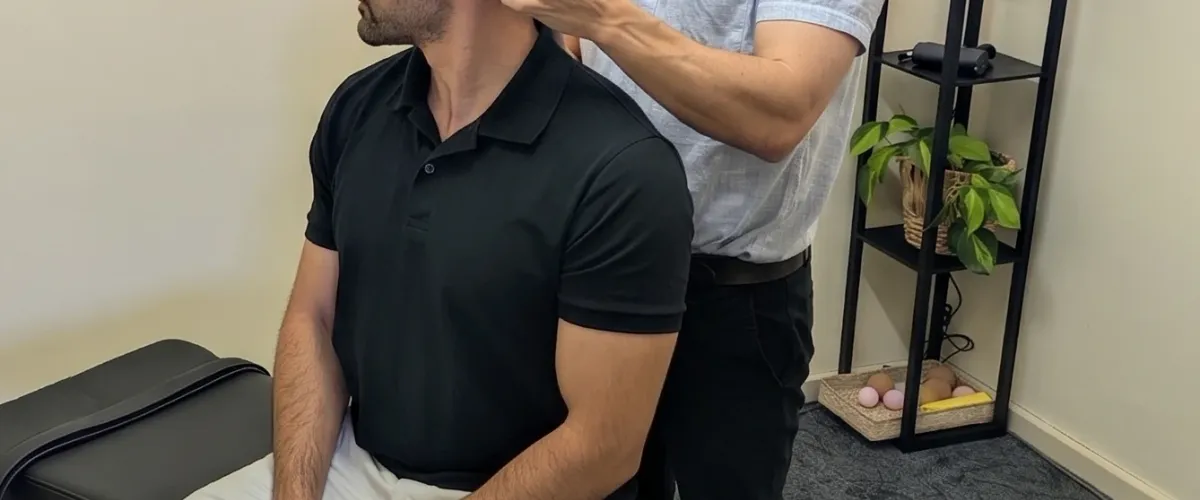
What chiropractic adjustment involves
A chiropractic adjustment (also called spinal manipulation) is a controlled, directed force applied to a specific spinal segment or joint to restore normal movement and position. The goal is to address areas of restricted or abnormal motion, not simply to make things click.
Not every adjustment involves audible joint cavitation (the "crack"). Several of the techniques used at Bassendean Chiropractic are low-force and entirely silent, suitable for patients who prefer a gentler approach, or for areas of the spine where high-velocity techniques are contraindicated.
Techniques available
Different presentations respond to different approaches. The technique used will depend on your assessment findings, your preferences, and clinical judgement.
Diversified
The most common chiropractic technique. High-velocity, low-amplitude thrusts applied to specific spinal segments. Precise, effective, and well-researched for mechanical back and neck pain.
Thompson Drop
Uses a segmented drop table that gives way slightly as the adjustment is delivered. Reduces the force required and can be more comfortable for certain presentations, particularly in the pelvis and lower lumbar spine.
Sacro-Occipital Technique (SOT)
A low-force, category-based system using wedge-shaped blocks placed under the pelvis. Well-suited to sensitive presentations, disc-related conditions, and patients who prefer to avoid manipulation.
Flexion Distraction
A specific table-assisted technique for lumbar disc conditions and sciatica. Gentle, rhythmic, and non-forceful, creates a decompressive effect in the lumbar spine without manipulation. Learn more →
What it's used for
Chiropractic adjustments are most commonly applied for musculoskeletal presentations including:
- Mechanical low back pain and lumbar stiffness
- Neck pain and cervicogenic headaches
- Mid-thoracic pain and rib dysfunction
- Sacroiliac joint dysfunction
- Hip, shoulder and extremity joint restrictions
- Postural dysfunction from prolonged desk work
Adjustments are typically one component of care, combined with soft tissue therapy, exercise prescription and lifestyle advice depending on your presentation.
What to expect at your first appointment
The initial consultation runs 45 minutes. It includes a detailed history, physical and postural assessment, orthopaedic testing where indicated, and a clear explanation of what's been found. Treatment is only applied where clinically appropriate, and only after you understand the plan.
You'll leave the first appointment with a clear understanding of your diagnosis, what's driving your symptoms, and what a realistic plan looks like, including how many sessions, and why.
Is chiropractic adjustment safe?
Chiropractic manipulation is considered a safe treatment for most musculoskeletal presentations when appropriately screened and applied. A thorough history and examination is conducted prior to any treatment to identify contraindications and select the most appropriate technique.
Temporary soreness after an adjustment is common, similar to what you might feel after a new exercise. Serious adverse events from chiropractic care are rare. If you have concerns about whether chiropractic is appropriate for your specific condition, please ask: a clear, honest answer is always available.